The Weirdest Property Boundaries in the U.S.
Across America, there are property lines so bizarre they’ll make your standard lot look boring by comparison.

By We've Got Land
Ever walked your property line and thought, “Well, that’s straightforward enough”? Most of us have pretty standard property boundaries – squares, rectangles, or maybe the occasional gentle curve following a natural feature. But across America, there are property lines so bizarre they’ll make your standard lot look boring by comparison.
When Surveyors Get Creative (or Confused)
America’s property boundaries weren’t always drawn with precision in mind. Before modern surveying techniques, property lines were often determined using landmarks like “the big oak tree” or “where the creek bends.” This inexact science has led to some genuinely head-scratching situations.
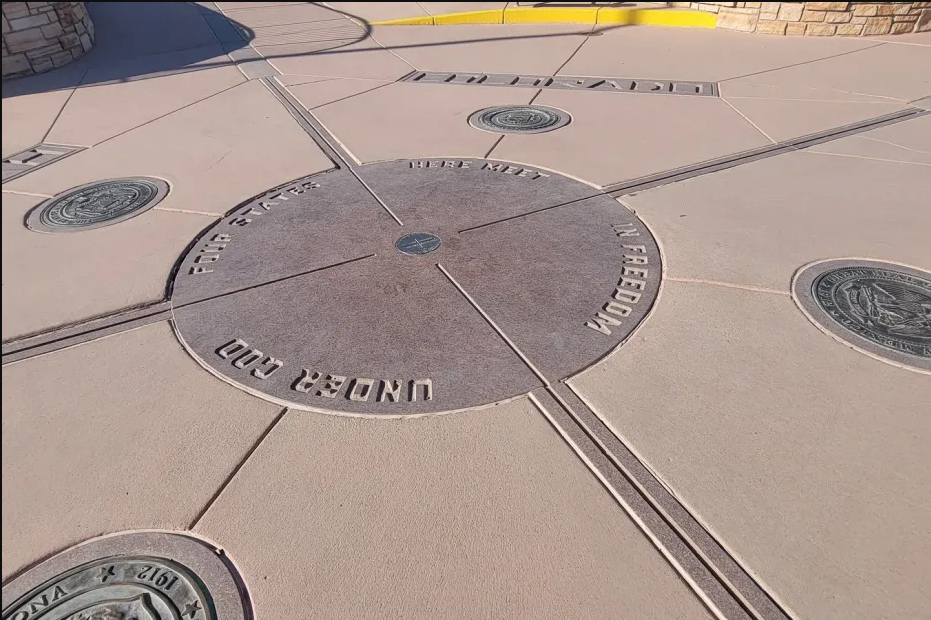
Four Corners Monument: The Only Spot in Four States at Once
Perhaps the most famous unusual boundary in America is Four Corners Monument, where Arizona, Colorado, New Mexico, and Utah meet at a single point. Visitors can physically position themselves to be in four states simultaneously – a bizarre quirk of geometric precision in our otherwise organic landscape of boundaries.
Ellis Island: New Jersey or New York?
For decades, New York and New Jersey fought over who owned Ellis Island. The Supreme Court finally settled it in 1998 with one of the strangest property boundaries ever: the original three-acre island belongs to New York, while the surrounding 24 acres of landfill belong to New Jersey. Talk about an awkward neighborhood arrangement!
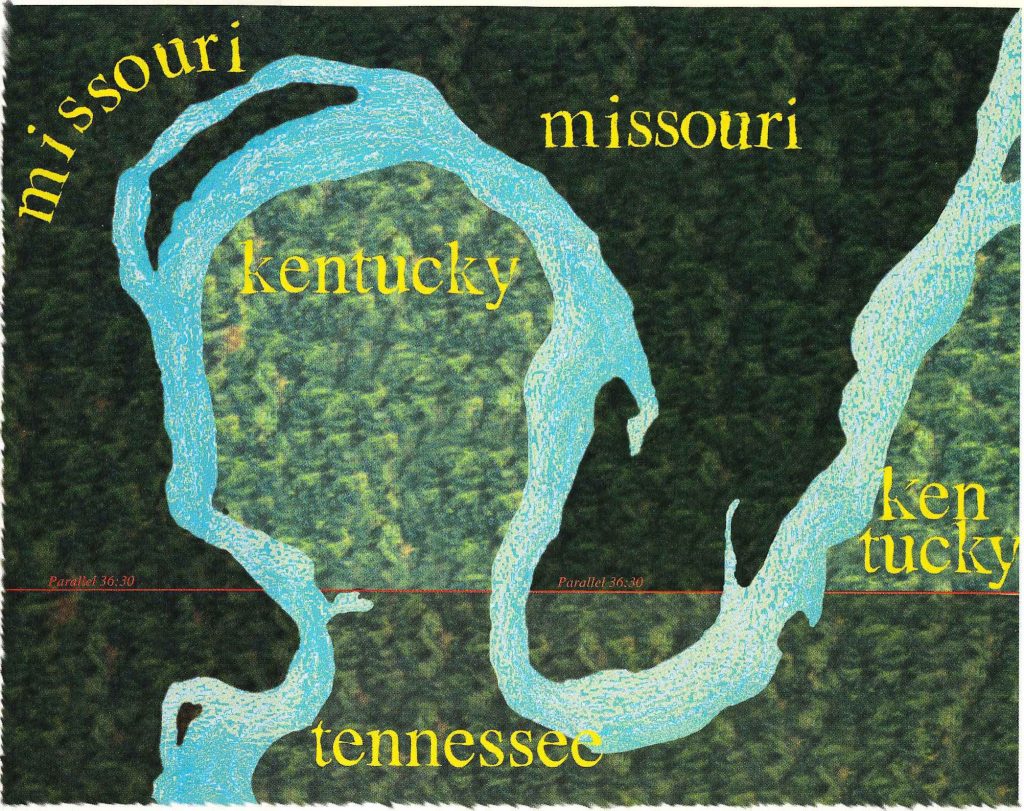
Kentucky’s “Western Tentacle”
Kentucky features a bizarre western border appendage called the “Kentucky Bend” – a small piece of Kentucky completely surrounded by Missouri and Tennessee. This 17-square-mile oddity resulted from surveying errors and the meandering Mississippi River changing course over time. The residents must travel through Tennessee just to reach the rest of their own state!
Modern Boundary Battles
These days, property line disputes are less about states fighting and more about neighbors arguing over inches. Some of the weirdest modern boundary situations include:
• Enclaves within properties where historical easements have created “islands” of land belonging to one owner but completely surrounded by another’s property
• “Flag lots” with long, narrow driveways leading to larger parcels behind other properties, resembling a flag on a pole when viewed from above
• Properties split by county or municipal lines, where homeowners have to pay taxes to two different jurisdictions and follow two sets of building codes
When Nature Refuses to Cooperate
Rivers make convenient property boundaries—until they don’t. Many of the strangest property lines in America exist because rivers changed course over time.
The Mississippi River has been particularly troublesome. As it shifted its channel over centuries, it created orphaned pieces of states on the “wrong” side of the river. Some property owners have found themselves gaining or losing acres as rivers gradually moved.
In Washington state, there’s a point where a river changed course so dramatically that Canada and the U.S. have a tiny land border dispute that remains unresolved to this day.
The Bottom Line
America’s weird property boundaries remind us that land ownership isn’t always as simple as drawing lines on a map. Whether from historical quirks, natural changes, or human error, these boundary oddities make for fascinating geography—and occasional headaches for owners.
Next time you’re checking your property stakes, be thankful you (probably) don’t need a GPS and a team of lawyers just to figure out whose lawn you’re standing on!